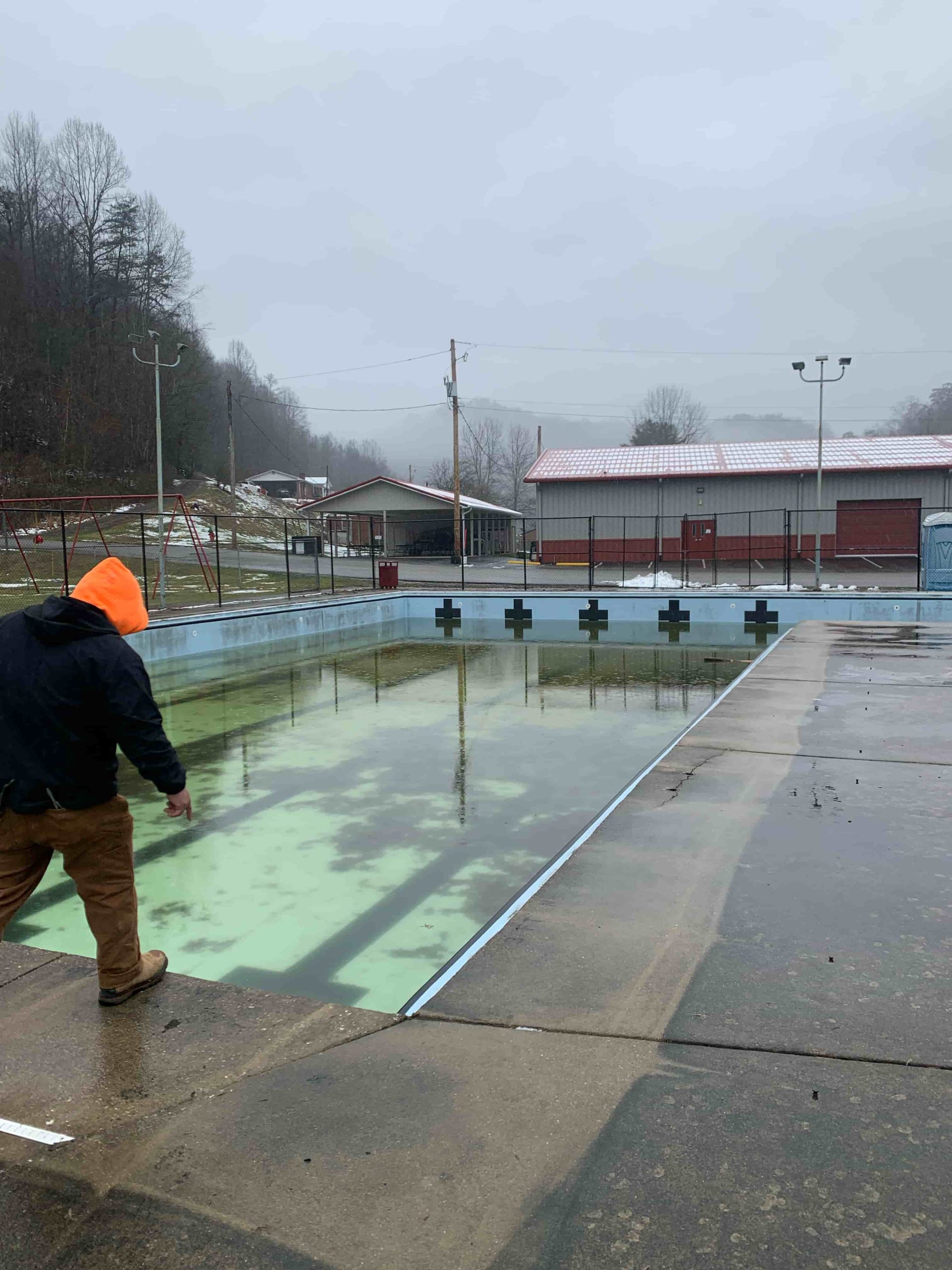
Repairing a damaged pool may seem like a daunting task, especially if you’re not a professional. However, with the right guidance and tools, it is possible to restore your pool to its former glory.
From assessing the extent of the damage to ensuring the water quality is up to par, each step plays a crucial role in the repair process. Let’s explore some effective strategies to tackle these issues and get your pool back in top shape for the upcoming season.
Assessing the Pool Damage
Let’s begin by carefully inspecting the extent of the damage to the pool. Start by examining the pool surface for any visible cracks, chips, or discoloration. Look closely at the tiles, walls, and floor to identify any signs of wear and tear. It’s crucial to check the pool’s structure, plumbing, and equipment for any leaks or malfunctions that could be contributing to the damage.
Next, assess the severity of the damage. Determine whether the issues are cosmetic, such as minor cracks, or structural, like significant leaks or shifting walls. Take note of any areas where the damage seems localized and areas where it appears widespread. This evaluation will help you prioritize the repairs that need immediate attention.
Additionally, consider the age of the pool and its maintenance history. Older pools or those with a lack of regular upkeep may be more prone to extensive damage. Understanding the pool’s background can provide valuable insights into the underlying causes of the current issues. By thoroughly assessing the pool damage, we can develop a comprehensive repair plan to restore it to its former glory.
Repairing Cracks and Chips
After assessing the pool damage, the next step is to address any cracks and chips present in the pool surface. Cracks and chips not only look unsightly but can also worsen if left unrepaired, potentially leading to more extensive damage. To repair these imperfections, start by cleaning the damaged area thoroughly to remove any debris or loose material.
Next, use a pool repair kit specifically designed for fixing cracks and chips. These kits typically include a patching compound that can be applied to the damaged area. Follow the manufacturer’s instructions carefully to ensure proper application and adhesion.
For small hairline cracks, a waterproof epoxy sealant can be an effective solution. Apply the sealant directly onto the crack and smooth it out with a putty knife. Allow sufficient time for the sealant to dry and cure completely before refilling the pool.
Fixing Pool Leaks
To effectively address pool leaks, it’s crucial to first pinpoint the exact location of the leak through a systematic inspection process. Start by checking common leak spots like the pool shell, plumbing lines, fittings, and accessories. One method is the bucket test – place a bucket on a pool step and mark the water levels inside the bucket and pool. If the pool water level drops more than the bucket, there may be a leak.
Once you’ve identified the leak’s location, the next step is to determine the cause. Leaks can be due to cracks in the pool shell, damaged plumbing, or faulty fittings. Fixing the leak will vary depending on its cause. Small cracks can often be patched with underwater sealant, while larger cracks may require professional repair. For plumbing leaks, it’s best to consult a professional to ensure proper fixing without causing further damage.
Refinishing the Pool Surface
Inspecting the pool surface for any damage is crucial before beginning the process of refinishing. Cracks, chips, or rough areas on the pool surface can indicate underlying issues that need to be addressed before applying new finishes.
To refinish the pool surface, we first need to drain the pool completely and clean it thoroughly to remove any debris, algae, or other contaminants. Next, we’ll repair any identified damages using appropriate materials and techniques.
Once the repairs are complete, we can start the refinishing process by applying a fresh coat of pool finish. This can be a plaster, pebble, tile, or another type of finish based on personal preference and budget. The new finish not only enhances the pool’s appearance but also helps protect the surface from further damage.
Properly refinishing the pool surface can extend its lifespan and ensure a more enjoyable swimming experience for years to come.
Maintaining Pool Water Quality
Ensuring optimal pool water quality is essential for a safe and enjoyable swimming experience. To maintain the water quality of your pool, regular testing and chemical balancing are crucial. We recommend testing the water at least twice a week using a pool water testing kit. This will help you monitor pH levels, chlorine levels, alkalinity, and other important factors. Adjust the chemicals as needed to keep the water balanced and free from contaminants.
In addition to chemical balancing, proper filtration is key to maintaining clean water. Make sure your pool’s filtration system is running efficiently and clean or replace the filters regularly. Skim the pool’s surface and vacuum the pool floor to remove debris that can affect water quality. Regularly cleaning the pool walls and tiles can also prevent algae and bacteria buildup.
Lastly, promoting good hygiene practices among swimmers, such as showering before entering the pool and not swimming when ill, can help preserve water quality. By staying proactive and consistent with maintenance tasks, you can enjoy a crystal-clear and safe swimming environment all season long.
Consult the Experts
Overall, repairing a damaged pool is a manageable task that can be accomplished with the right tools and knowledge. By assessing the damage, repairing cracks and chips, fixing leaks, refinishing the surface, and maintaining water quality, you can have your pool looking as good as new in no time.
Remember to regularly inspect and maintain your pool to prevent future damage and ensure it stays in optimal condition for years to come.
As this may all seem daunting, let us provide you with an alternative solution: Give us a call. We can assess your pool’s health annually or any time you think there may be an issue. Then we’re happy to give you a cost and time estimate to fix anything we find. ACS is your partner in pool maintenance and repair.